
How to Maintain Car Tint (Tinted Kereta Tips for Malaysia)
Maintain car tint in Malaysia: curing rules, washing tips, cleaners to avoid, and when tinted kereta film needs replacement in 2026.
Learning how to maintain car tint matters as much as choosing the film.
Malaysian heat, monsoon humidity, and aggressive car washes punish adhesives and dyes.
Tinted kereta maintenance tips that work
Good aftercare keeps tinted kereta clear, legal-looking, and effective at heat control for years.
Poor aftercare creates bubbles, peels, and scratched film that owners wrongly blame on the brand alone.
These tinted kereta tips cover curing, washing, cleaners, habits, and replacement timing.
Week 1: curing rules you must not skip
Fresh film needs time for moisture to escape and adhesive to set.
Typical installer guidance (confirm yours):
Keep windows up for the stated cure period.
Avoid car washes for several days.
Expect light haze or tiny moisture specks that shrink daily.
Park with care — door edges can catch curing film.
Humid weather can lengthen curing.
If large tunnels or dirt under film appear immediately, return to the shop — that is install quality, not normal curing.
Process context: professional window tinting.
How to wash a tinted car safely
Preferred methods
Hand wash with pH-neutral shampoo.
Soft mitt; rinse grit often.
Dry glass with clean microfiber — no rough towels.
Use caution
Touchless washes after full cure are usually safer than brush tunnels.
High-pressure nozzles aimed at film edges can lift weak corners — keep distance.
Avoid when possible
Old-style brush tunnels that grind grit into film
Scraping ice-style tools (rare locally, but abrasive sticks appear in detailing kits).
Cleaning interior film with kitchen scouring pads.
Exterior glass often has no film on the outer face for standard dyed/ceramic installs (film is inside).
Still treat edges kindly where film meets door seals.
Cleaners: what to use and what to avoid
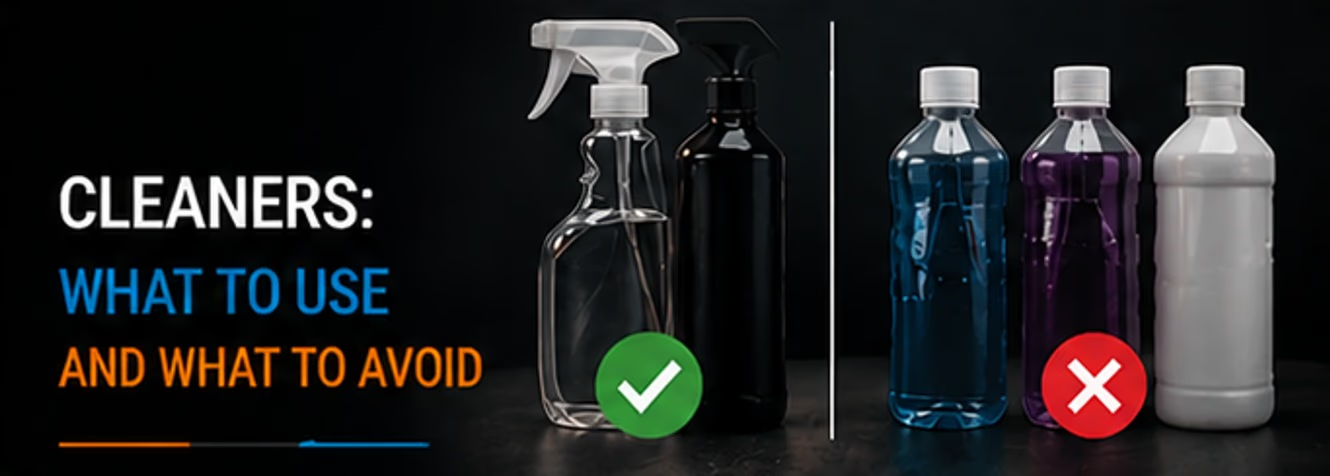
Safer approach for interior film side:
Ammonia-free glass cleaner.
Light mist on cloth, not soaked dripping into edges.
Soft microfiber only.
Avoid:
Ammonia-heavy glass sprays that can haze some films.
Solvent-heavy sticky-residue removers on film.
Petroleum sticky dressings spraying onto film edges.
Magical “tint restore” abrasives sold online.
If adhesive residue remains on exterior glass after install, ask the shop which remover is safe for clear coat and glass —.
do not invent chemistry in a hot parking lot.
Daily and weekly habits that protect film
Do not slam doors on curing week.
Do not stick suction phone mounts on freshly filmed areas without checking.
Wipe interior film gently when dusty — dry rubbing grit scratches.
Keep rear defroster lines free of peeling starts; tug peels worsen fast.
After monsoon storms, check for edge lift once a month.
Cabin heat still depends on film quality.
Maintenance preserves performance; it cannot turn weak dyed film into ceramic IRR.
Buying guide: how to choose car tint.
Parking and UV reality
Maintenance is not only cleaning.
Where you park affects fade rates on lower-tier films.
Covered parking helps all films last.
If you must park outdoors, higher-grade nano ceramic resists colour shift better than bargain dyed rolls — compare nano ceramic vs regular.
When maintenance cannot save the tint
Plan replacement when you see:
Purple or bronze colour shift.
Large bubbles that grow.
Peeling edges you can lift with a fingernail.
Scratched haze that ruins night vision.
Heat performance collapse versus when new
Full symptom guide: 6 signs your car needs window tint replacement. Do not install new film over failed film.
Common myths about tint care
“Never clean interior film” — dust still scratches; clean gently.
“Any glass spray is fine” — ammonia content matters.
“Bubbles on day two always mean failure” — curing moisture differs from trapped dirt tunnels.
“Ceramic film needs no care” — edges and cleaners still matter.
Pairing tint care with other services
If you also run PPF or coating, schedule washes that respect all three products: gentle chemistry, no abrasive shortcuts.
Combos: /combo.
Tint packages and inspections: /tint.

New owners: first 30-day checklist
Photograph film on collection day.
Set phone reminders for window-roll unlock date.
First wash only after cure clearance.
First interior clean with ammonia-free product.
Message the shop early if edges lift.
Skipping this checklist causes many warranty disputes.
Climate notes for Malaysia 2026
Elongated hot seasons and heavy storm weeks mean more expansion/contraction stress on adhesives.
Quality installs still last — but only with owners who do not force early window drops after every rain.
If you bought ultra-cheap film, expect shorter service life regardless of perfect care; see cheap tint dangers.
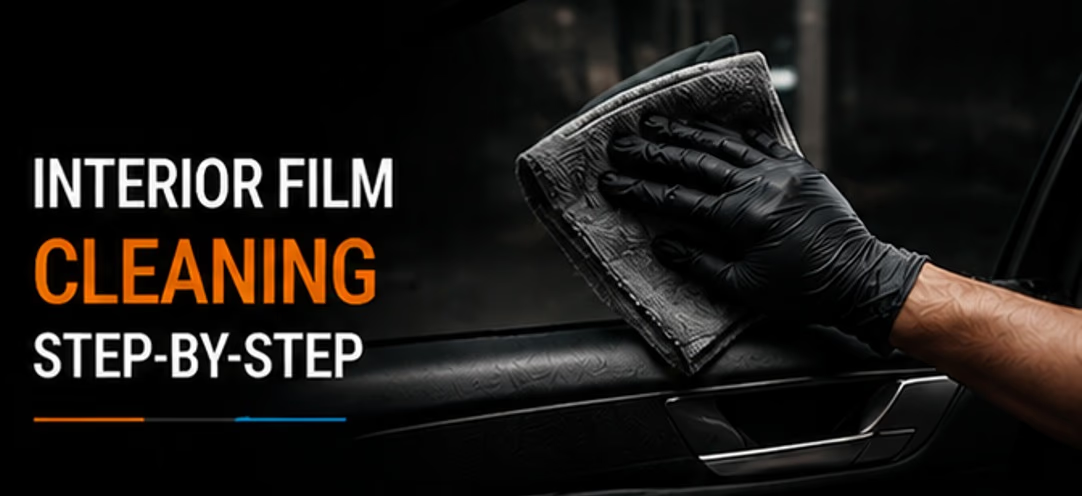
Interior film cleaning step-by-step
Wait until cure clearance if the install is new.
Blow or gently wipe loose grit first.
Mist ammonia-free cleaner onto microfiber — not dripping into the door cavity.
Wipe in overlapping strokes without grinding.
Buff dry with a second clean cloth.
Check lower edges where dirt collects on door glass.
Repeat lightly rather than scrubbing hard once a month. Grit is what scratches film — not careful cleaning itself.
Stickers, passes, and suction mounts
Highway RFID tags, parking passes, and phone mounts belong on glass only after you know where film sits and whether adhesive will stain.
Never pry a stuck pass with a metal blade on filmed interiors.
If residue appears, ask the installer for a safe remover rather than acetone experiments.
Child seats, pets, and claw marks
Rear side film can collect fine scratches from pets or cargo.
Use seat covers and teach kids not to scrape film with toys.
Cosmetic hairlines may be unavoidable on long ownership — another reason to buy film you will not mind living with for years.
When to call the shop vs DIY fix
Call the installer if edges lift, tunnels grow, or vision distorts.
Do not inject random glue under film.
Tiny curing moisture dots that shrink daily can wait.
Dirt fingers and peeling corners cannot.
Bottom line
To maintain car tint in Malaysia: honour curing, wash gently, use ammonia-free cleaners, protect edges, and replace film when fade or failure appears.
Tinted kereta tips are simple — consistency beats fancy products.
Need inspection or a fresh legal package? Explore /tint or book with KL Tint Studio.
Q: How long before I can wash my car after tint?
Q: When can I roll down windows after tinting?
Q: What cleaners are safe for tinted kereta?
Q: Why does new tint look hazy or wet?
Q: How often should tint be replaced in Malaysia?
Q: Where can I get tint inspected or replaced?
Related searches people use include car tint tips. Use those terms when comparing quotes so shops know exactly what you need.
For next steps, see tint packages, book an appointment, or car tint Malaysia guide.