TPU vs TPH PPF: Which Paint Protection Film Material Is Better?
TPU vs TPH paint protection film compared for Malaysian cars: durability, yellowing, self-healing, cost, and which PPF material to choose in 2026.
Shopping for paint protection film in Malaysia, you will see TPU vs TPH PPF compared on shop walls and WhatsApp quotes.
Both protect paint from chips and scratches, but they are not the same material — and the wrong choice can mean yellowing, stiff film,.
TPU vs TPH PPF material differences
or re-installation costs within a few years.
This guide explains what TPU and TPH are, how they perform in Malaysian heat and humidity,.
and which PPF material fits your car and budget in 2026.
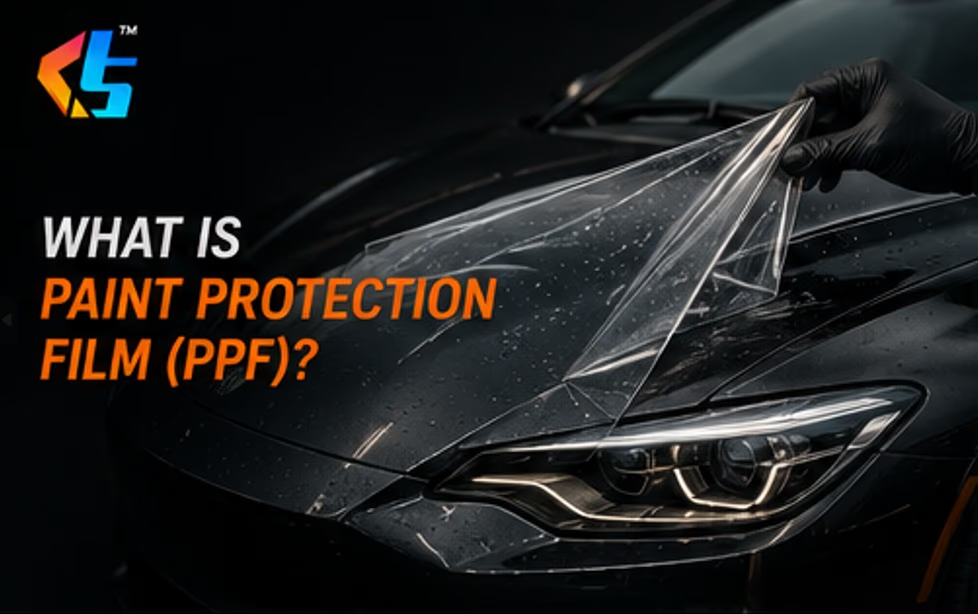
What is paint protection film (PPF)?
PPF is a clear urethane or polymer film applied to painted panels — commonly front bumper, bonnet, fenders, mirrors, and door cups.
It absorbs stone chips from North-South Highway debris, mall parking scrapes, and daily urban wear.
Material choice affects clarity, healing, stain resistance, and lifespan.
]
What is TPU PPF?
TPU (thermoplastic polyurethane) is the industry standard for premium PPF. Properties include:
High elasticity for complex curves (bumpers, headlights).
Self-healing top coat on quality grades (light swirls disappear with heat).
Strong UV and stain resistance.
Established warranty programs from major brands.
TPU is what most owners mean when they ask for “full PPF” on a new Honda HR-V, Toyota Vios,.
or BYD Atto 3 in Klang Valley.
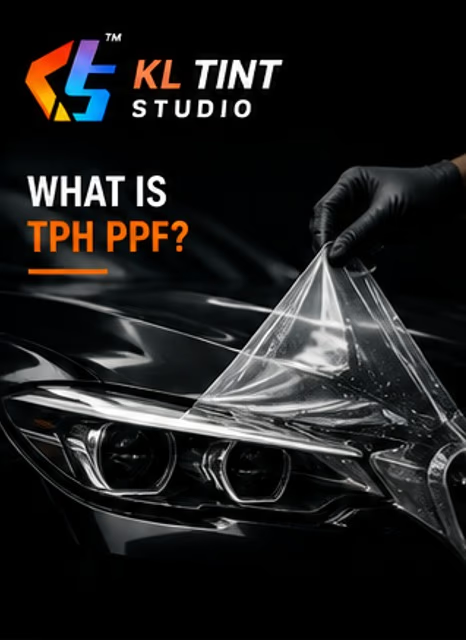
What is TPH PPF?
TPH is often described as a PVC-based or hybrid film positioned below TPU on price. Shops market it as affordable protection with reasonable clarity.
Potential advantages:
Lower upfront cost than top TPU lines.
Adequate short-term chip protection for budget builds.
Potential limitations:
May stiffen or discolour faster under tropical UV.
Self-healing and stain resistance vary more by brand.
Long-term durability may not match premium TPU.
TPH can work for owners with defined ownership horizons or partial coverage only — understand trade-offs before buying.
TPU vs TPH comparison table
Factor | TPU | TPH |
|---|---|---|
Material base | Polyurethane elastomer | PVC / hybrid |
Durability (typical) | 5–10 years premium grades | Shorter on many lines |
Self-healing | Strong on premium TPU | Limited / varies |
Yellowing resistance | Good on quality brands | Higher risk on economy lines |
Flexibility on complex panels | Excellent | Moderate |
Price | Higher | Lower entry |
Best for | New cars, long ownership, full front | Budget partial coverage |
Malaysian climate considerations
Malaysia combines intense UV, rain humidity, and highway stone chips. Films must resist:
Yellowing on white and light-coloured cars (popular in 2026 fleets).
Edge lifting from improper prep in humid bays.
Staining from bird droppings and tree sap in open parking.
Installer skill matters as much as material — even TPU fails if prep is rushed. Choose a PPF specialist with enclosed or controlled prep areas.
Cost expectations in 2026
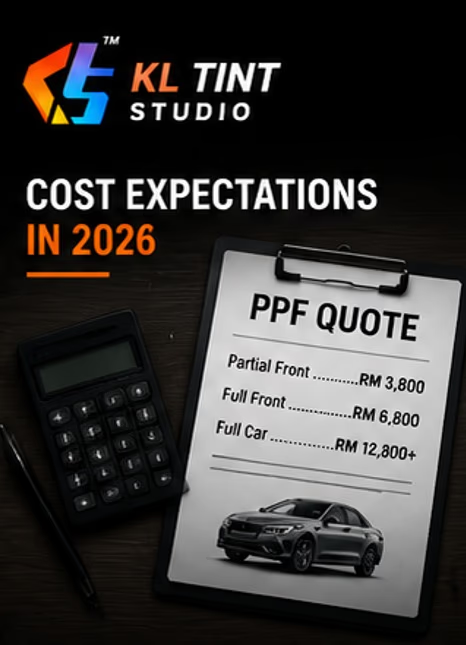
Indicative market ranges (varies by coverage and vehicle):
TPH partial front: may start lower than equivalent TPU.
TPU partial front (bonnet + bumper + mirrors): commonly mid thousands RM.
Full body TPU: premium five-figure territory on large SUVs.
KL Tint Studio publishes PPF packages from Essentials through Legendary tiers on /ppf. Compare coverage areas, not just material acronym.
When to choose TPU
Choose TPU if:
You keep cars 3+ years.
Paint colour shows defects easily (black, white, red).
You want self-healing and brand warranty.
You drive highways frequently (chip risk).
Read the Top 10 PPF FAQs for maintenance and warranty questions.
When TPH might be acceptable
Consider TPH if:
Budget is fixed and partial coverage is the goal.
You plan to sell the car within a short period.
You understand you may replace film sooner.
Always confirm exact brand and warranty — not generic TPH package labels.
Installer questions
What brand and mil thickness is this film?
Is this TPU or TPH — show manufacturer data?
What is excluded from warranty (bird droppings, improper wash)?
Do you wrap edges where possible?
How long should I avoid washing after install?
PPF vs other protection
PPF protects against physical chips and scratches.
Ceramic coating adds chemical gloss and hydrophobics but not impact protection.
Many owners combine both — see coating vs PPF and our price guide.
TPU vs TPH PPF is a durability and value decision.
TPU remains the default recommendation for Malaysian owners who want long-term paint protection and self-healing performance.
TPH may fit tight budgets if expectations are realistic.
Explore PPF packages or book a quote consultation at KL Tint Studio.
Q: What is TPU in paint protection film?
Q: What is TPH material in PPF?
Q: Is TPU better than TPH for Malaysian heat?
Q: Does TPH yellow faster than TPU?
Q: Can TPH PPF self-heal swirl marks?
Q: Where can I get PPF installed in KL?
Related searches people use include ppf tpu, tpu ppf price, tpu paint protection film, best ppf material. Use those terms when comparing quotes so shops know exactly what you need.