PET vs PVC Car Wrap: Complete Malaysia Guide (2026)
PET vs PVC car wrap compared for Malaysia: durability, removability, heat, cost, and which vinyl wrap material suits tropical climate and your style goals.
Vehicle wrapping lets Malaysian owners change colour, add branding, or protect paint without a full respray.
The debate PET vs PVC car wrap matters because our climate stresses adhesive, UV, and panel curves differently than temperate markets.
Vehicle wrap Malaysia options: PET vs PVC
This 2026 guide explains both vinyl wrap materials, which suits tropical daily driving, and how to quote wrapping honestly in Malaysia.
What is car wrapping?
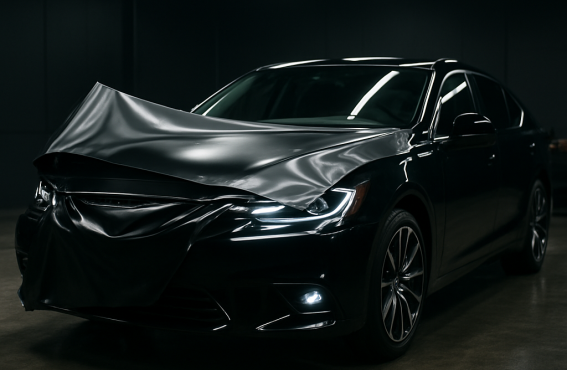
Car wrap is large-format adhesive vinyl applied to exterior panels. Uses include:
Full colour change (matte black, satin grey, corporate fleets).
Partial accents (roof, bonnet, mirrors).
Paint protection style gloss clears on some films.
Commercial branding for vans and delivery cars.
Wrap is not paint — installation and removal skill determine final quality.
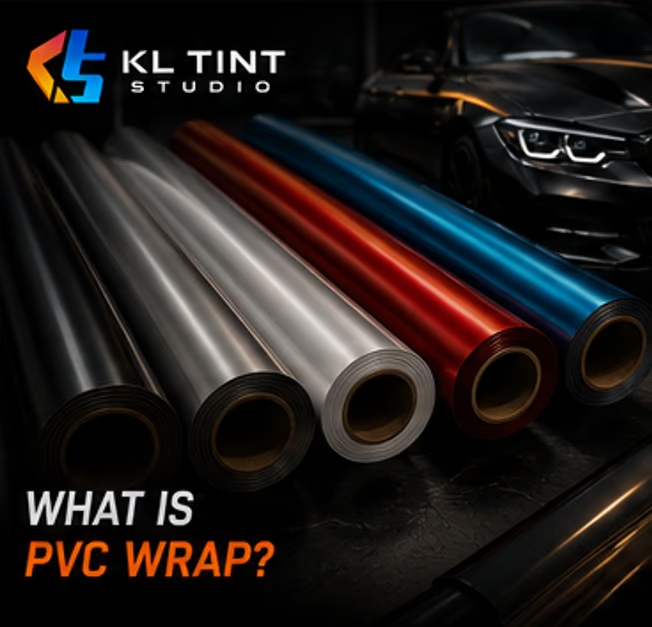
What is PVC wrap?
PVC (polyvinyl chloride) wrap is the traditional volume category. Grades range from economy calendered vinyl to premium cast PVC.
Pros:
Huge colour and finish catalogue.
Often lower cost entry for partial wraps.
Familiar to many Malaysian wrap shops.
Cons:
Economy PVC may shrink, fade, or stain faster in harsh sun.
Removal can be harder on overdue films.
Quality spread is wide — ask cast vs calendered.
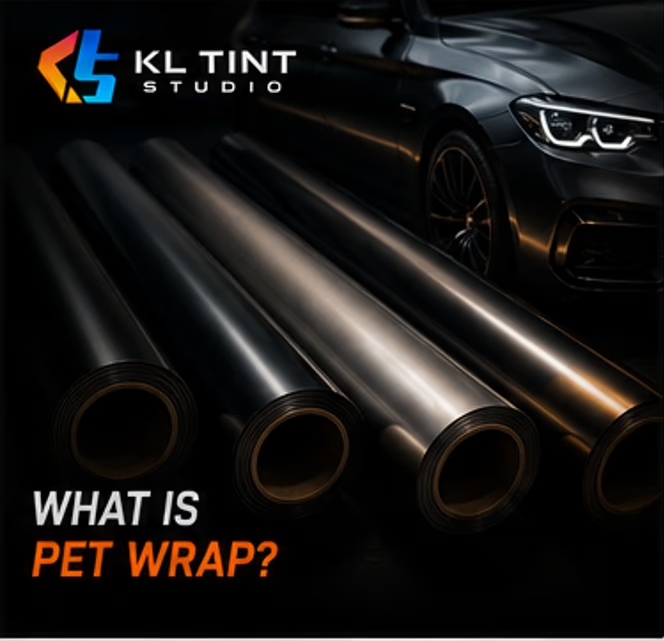
What is PET wrap?
PET (polyethylene terephthalate) wrap uses polyester-based film technology marketed for dimensional stability, gloss retention, and cleaner removal on premium lines.
Pros:
Strong stability on complex curves when installed correctly.
Popular for owners wanting long-term colour change.
Often positioned as premium vs budget PVC.
Cons:
Higher price on flagship PET lines.
Fewer shops stock top PET brands vs generic PVC.
KL Tint Studio offers wrapping packages on /wrapping including premium cast options.
PET vs PVC comparison.
Factor | PVC (cast premium) | PET (premium) |
|---|---|---|
Cost | Moderate to high by grade. | Often premium. |
UV / fade resistance | Good on cast; poor on cheap calendered. | Strong on top lines. |
Conformability | Good cast PVC exists. | Excellent on flagship PET |
Removal | Varies; overdue film risks glue. | Designed for cleaner removal windows |
Colour range | Very wide. | Growing catalogue. |
Best for | Budget wraps, short campaigns. | Long-term ownership colour change. |
Malaysian climate factors
High UV in open parking — fades cheap colours.
Rain and humidity — tests adhesive at edges and mirrors.
Heat cycling — bonnet and roof panels expand daily.
Choose cast-grade film for full wraps; avoid economy vinyl on entire SUVs unless you accept 1–2 year horizons.
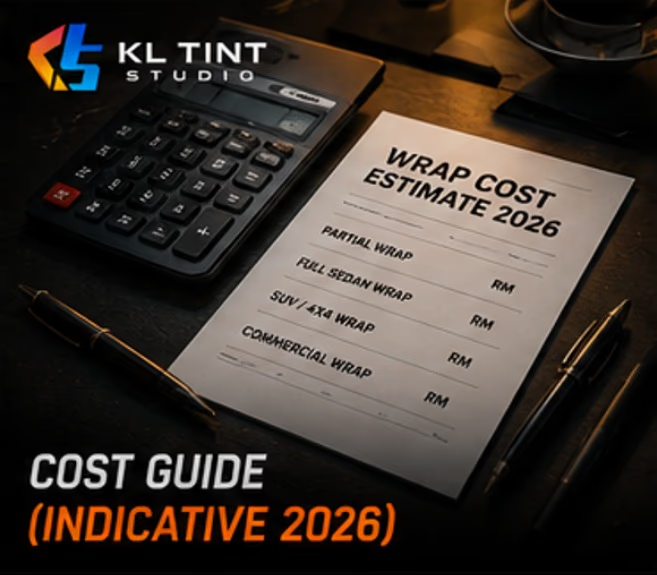
Cost guide (indicative 2026)
Wrapping quotes depend on panels, disassembly (handles, lights), and film tier.
Partial roof or accent: lower entry thousands RM.
Full sedan colour change: often mid four-figures RM and above.
Large SUV/van commercial wrap: higher labour + material.
Published reference: wrapping packages. Combine with protection price guide for full vehicle budgeting.
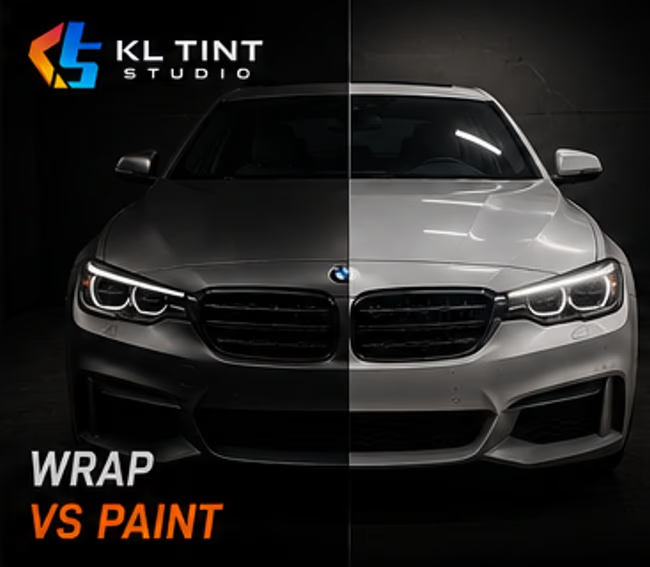
Wrap vs paint
Wrap allows reversible colour change and protects OEM paint underneath during film life.
Paint suits permanent colour commitment and factory-level repairs.
For comparison philosophy similar to PPF vs coating, see future article car wrap vs paint.
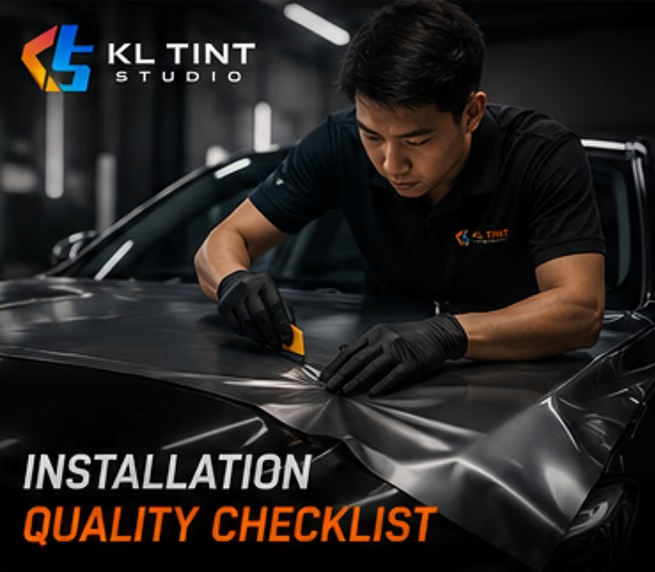
Installation quality checklist
Cast or premium PET specified in quote
Panels cleaned and degreased properly.
Post-heat on curves and recesses.
Edges tucked where possible.
Written care instructions (no brush car wash immediately).
Maintenance tips
Hand wash or touchless for first weeks.
Avoid petroleum solvents on film.
Park shaded when possible to extend colour life.
Inspect edges after long highway trips.
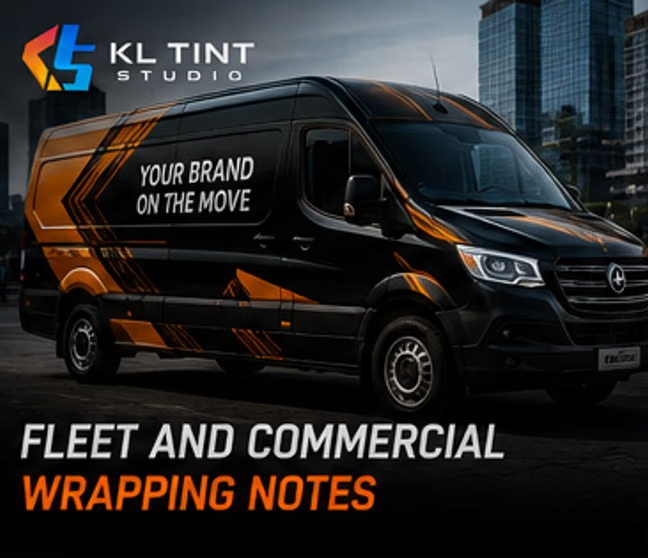
Fleet and commercial wrapping notes
Delivery vans, food trucks, and sales fleets in Malaysia often choose PVC for campaign-length wraps with planned removal dates.
PET or cast PVC may suit 2–3 year branding cycles better than economy calendered vinyl that shrinks on large flat panels.
Discuss lamination (gloss or matte) and whether the design includes perforated window film for rear visibility on commercial vehicles.
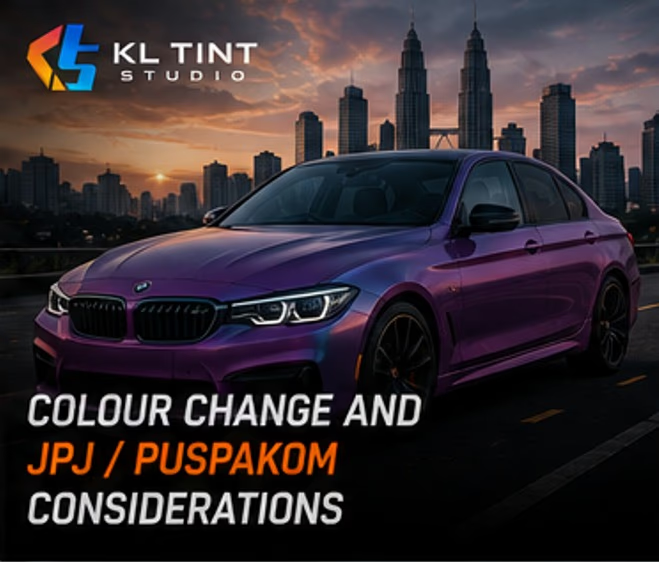
Colour change and JPJ / Puspakom considerations
Full colour wraps change your vehicle's appearance.
Ensure documentation and insurance updates follow JPJ procedures for your use case.
Keep factory paint underneath protected — one benefit of wrap over respray is reversibility when film is removed on schedule.
Choosing between gloss, satin, and matte finishes.
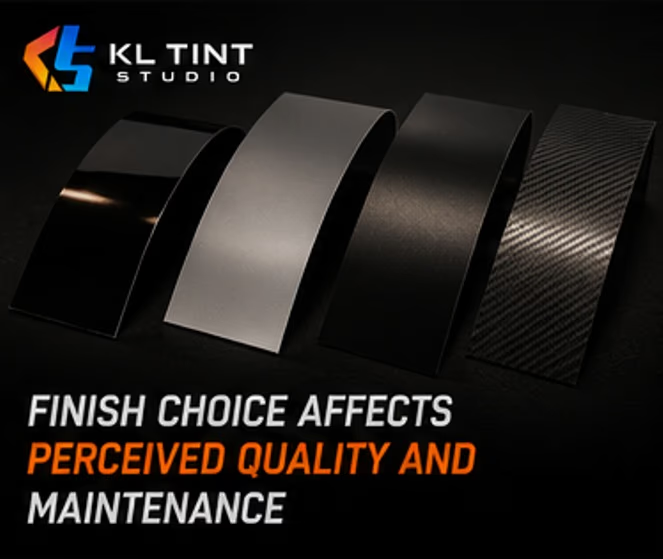
Finish choice affects perceived quality and maintenance:
Gloss wrap — closest to fresh paint shine; shows swirls if brushed washed.
Satin — popular on SUVs and grey palettes; hides minor marks better than gloss.
Matte — statement look; avoid wax and abrasive compounds.
Ask for swatches outdoors in direct sun — indoor lighting misleads on colour.
Key Takeways
PET vs PVC car wrap is not a universal winner —.
it is matching film grade to how long you want the look and how you park in Malaysia.
Premium PET and cast PVC both work; economy PVC is a short-term tool.
Invest in installer reputation and film documentation.
Explore wrapping packages or request a quote at KL Tint Studio.
Q: What is the difference between PET and PVC car wrap?
Q: Which lasts longer in Malaysian heat?
Q: Is PET wrap easier to remove?
Q: How much does car wrapping cost in Malaysia?
Q: Can wrap damage factory paint?
Q: Where to wrap my car in KL?
ways
Related searches people use include malaysia wrap car, car wrapping malaysia. Use those terms when comparing quotes so shops know exactly what you need.