
Car PPF Durability in Malaysia: How Long Does Film Last?
How long does PPF last in Malaysia? Learn what UV, heat, rain, and washing do to paint protection film lifespan — and how to maximise durability in tropical weather.
Car PPF durability in Malaysia is a climate question as much as a product question.
Equatorial UV, heat-soaked panels, monsoon humidity, and aggressive car washes all shorten film life when material or install is weak.
How long does ppf last on Malaysian roads
Here’s how long paint protection film should last — and how to keep it performing.
Realistic lifespan ranges
Film class | Typical durable window | Notes |
|---|---|---|
Premium TPU | 5–10 years | Best warranties; self-healing top coats. |
Mid TPU | 3–7 years | Depends on brand and care. |
Economy TPH / unknown | 1–4 years | Higher yellowing / staining risk. |
See material differences in TPU vs TPH.
What Malaysian weather does to PPF
UV
Roof and bonnet take the harshest light. UV-stable top coats resist yellowing; cheap films cloud or tint yellow — especially visible on white cars.
Heat
Dashboard-level cabin heat is one issue; panel surface heat is another. Quality adhesives stay bonded through daily expansion cycles.
Rain and humidity
Water itself is fine. Contaminants in rain and trapped moisture at poorly sealed edges cause lifting. Edge technique matters.
Coastal and industrial air
Salt and industrial fallout increase maintenance needs. Wash more often if you drive Port Klang or heavy industrial corridors.
Install quality = durability multiplier
Identical film can last twice as long with:
Controlled dust environment.
Proper stretch without overstretching.
Wrapped edges where possible.
Correct post-heating.
Use PPF near me tips when vetting shops.
Maintenance habits that extend life
Wait for full cure before washing
Remove bird droppings the same day.
Use pH-neutral soap.
Avoid abrasive polishes on film unless approved.
Inspect edges every few months.
Do not peel lifted corners yourself — book service.
More FAQs: Top 10 PPF questions.
Summer heat and parked cars
Open-air parking is the stress test.
Film still helps vs bare paint for chips and etching, but shade extends cosmetic life.
Pair PPF with tint for cabin comfort — film on paint does not cool the interior like window film.
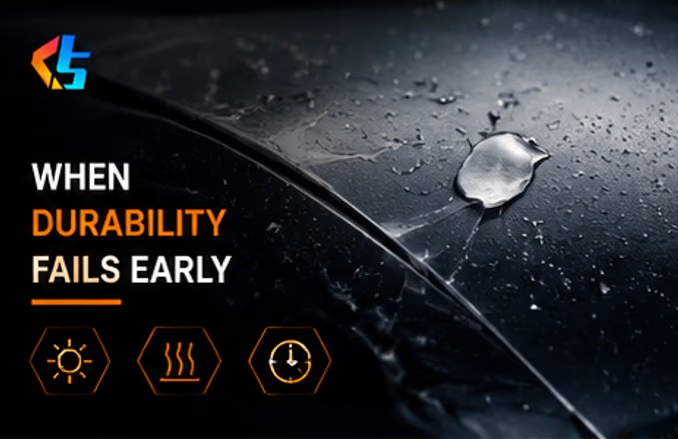
When durability fails early
Replace or repair if you see:
Widespread yellowing.
Cracking or hazing.
Peeling that collects dirt.
Stains that will not remove.
Partial panel replacement is often possible on matched film.
Durability vs coating
Coating wears differently — chemical layer thickness is tiny.
PPF thickness is the physical shield.
Many owners run both; durability strategies differ.
Compare roles in coating vs PPF.
Year-by-year expectations (premium TPU)
Year | What you should see |
|---|---|
0–1 | Strong self-heal, clear gloss, tight edges. |
2–3 | Still clear; minor edge dirt if washes are rough. |
4–5 | Warranty period still relevant; inspect for haze. |
6–10 | Premium films can remain serviceable; plan refresh if yellowing starts. |
Budget films may exit this table by year 2–3. That is why published warranties matter.
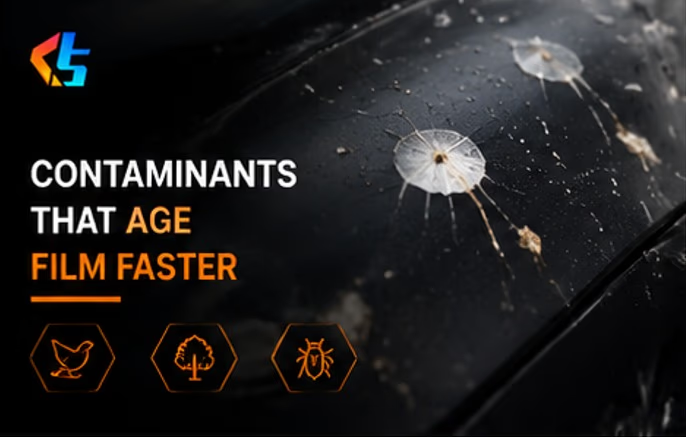
Contaminants that age film faster
Bird droppings left overnight.
Tree sap in monsoon seasons.
Industrial fallout near ports and factories.
Harsh alkaline wash chemicals
Abrasive “cutting compounds” used by mistake on film
Detail sprays and prompt rinsing are durability tools, not optional cosmetics.
Self-healing: what it can and cannot do
Heat-responsive top coats clear light wash swirls.
They do not erase deep cuts, kerb scrapes through film, or failed adhesive.
Deep damage means panel replacement — a durability feature of PPF versus full bumper respray.
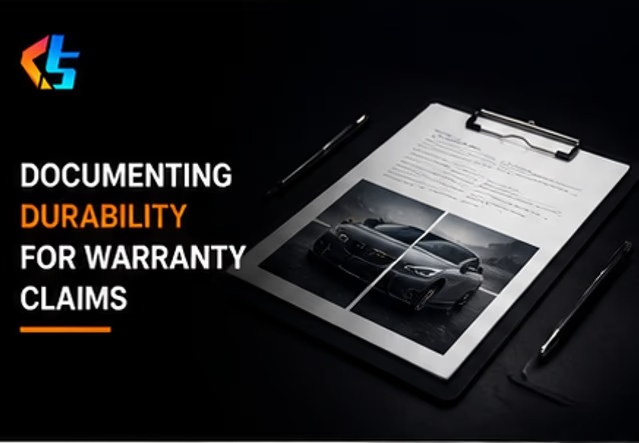
Documenting durability for warranty claims
Keep:
Install invoice with brand and date.
Coverage map photos.
Aftercare sheet.
Dated photos if yellowing or peeling appears.
Shops honour documented claims faster than verbal “I think it was last year” stories.
Highway vs city: how driving pattern changes film life
Durability is not one number for every Malaysian driver:
Pattern | Stress on PPF | Practical tip |
|---|---|---|
Daily PLUS / NKVE | More chip impacts on film face | Partial front thickness and coverage matter more. |
Dense city parking | Edge knocks, door dings, trolley scrapes | Door cups and mirror caps earn their keep. |
Coastal / industrial commute | Fallout and salt accelerate staining | Wash more often; inspect edges monthly. |
Mostly basement parking | Lower UV, still need wash discipline | Film still helps vs basement column scrapes. |
A premium TPU on a highway car can look “busier” with healed impact marks yet still be doing its job.
That is durability working — not failure.
Compare expectations in Top 10 PPF FAQs before you judge yellowing vs normal wear.
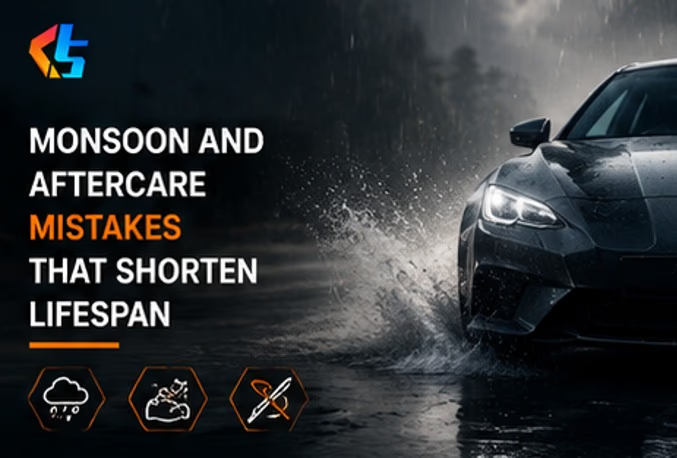
Monsoon and aftercare mistakes that shorten lifespan
Common Malaysian habits that age film early:
Brush tunnels too soon after install — mechanical fingers lift fresh edges.
Leaving bird droppings overnight on hot bonnets — acids attack top coats.
DIY cutting compounds meant for paint used on film — hazes the clear layer.
Ignoring a small corner lift until dirt packs underneath — then warranty talks get harder.
Assuming coating replaces wash care — even filmed cars need gentle, pH-neutral washing.
Pair physical film with cabin-heat control via /tint and optional hydrophobics via /coating so you are not scrubbing harder to compensate for dull,.
hot paint.
Stacking logic: coating vs PPF.
When to repair a panel vs replace the whole front
Durability planning includes exit strategy:
Single panel damage (deep cut, stained bumper corner) → replace that panel with matched film when possible.
Widespread yellowing or cracking → plan a full coverage refresh; do not patch random scraps.
Car sold soon → keep film clean and documented; buyers of used Malaysian cars increasingly ask for PPF proof.
Film still clear at year 5–7 → inspect edges and top-coat haze; many premium installs simply continue with care.
Book an inspection slot through /booking rather than peeling corners in your car porch. Published package options for refresh work live on /ppf.

Final Thoughts
Car PPF durability in Malaysia depends on TPU grade, install edges, UV exposure, and wash habits.
Expect multi-year performance from premium film — not miracles from the cheapest roll.
Buy warranty-backed TPU and maintain it like the paint investment it protects.
Explore durable PPF packages or book a consultation at KL Tint Studio.
Q: How long does PPF last in Malaysia?
Q: Does Malaysian heat damage PPF?
Q: Will PPF yellow in the sun?
Q: Can rain and humidity lift PPF edges?
Q: How should I wash PPF to maximise lifespan?
Q: Where can I get durable PPF installed?
.
Related searches people use include paint protection film lifespan, ppf lifespan, ppf care, premium ppf. Use those terms when comparing quotes so shops know exactly what you need.