Ceramic Car Coating Malaysia: Scratches, Etching & Fade Protection
What ceramic car coating protects in Malaysia: light swirls, etching, and UV fade — plus what still needs PPF for chips and deep scratches in 2026.
Search ceramic car coating Malaysia and you will see bold promises: no scratches, no fade, showroom gloss for life.
Real results are more nuanced.
Ceramic coating is excellent at certain jobs and weak at others.
Understanding scratches vs etching vs fading saves money and prevents the wrong purchase — especially when what you actually need is paint protection film.
This guide separates what coating helps, what it barely affects, and when to choose PPF instead or as a stack.
For bonding chemistry, see the science behind nano ceramic coating.
Quick answer: coating vs damage types
Damage type | Ceramic coating help | Better primary fix |
|---|---|---|
Light wash swirls | Moderate — slicker surface, careful washing | Proper wash method + coating |
Deep scratches / keys | Low | Paint repair; PPF prevents future hits |
Stone chips | None | |
Bird dropping etch | Good if cleaned fast | Coating + prompt removal |
UV fade / dulling | Good support | Coating + shade + tint for cabin |
Water spots | Partial | Dry after rain; coating helps |
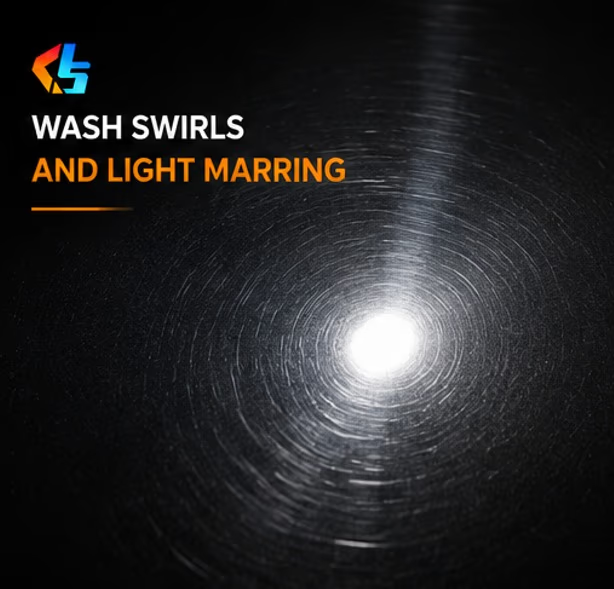
Scratch type 1: wash swirls and light marring
Most “scratches” Malaysian owners notice under mall lighting are swirl marks from grit dragged across paint during washing. Ceramic coating helps here indirectly:
Dirt releases more easily.
Less aggressive scrubbing is needed.
Fresh grit clings less to a hydrophobic surface.
Coating does not make paint scratch-proof.
An automatic brush tunnel can still haze a coated car.
Hand wash with pH-neutral shampoo remains mandatory for gloss retention.
If swirls already exist, coating without correction seals them in. Budget machine polish when the paint is dull before you buy ceramic.
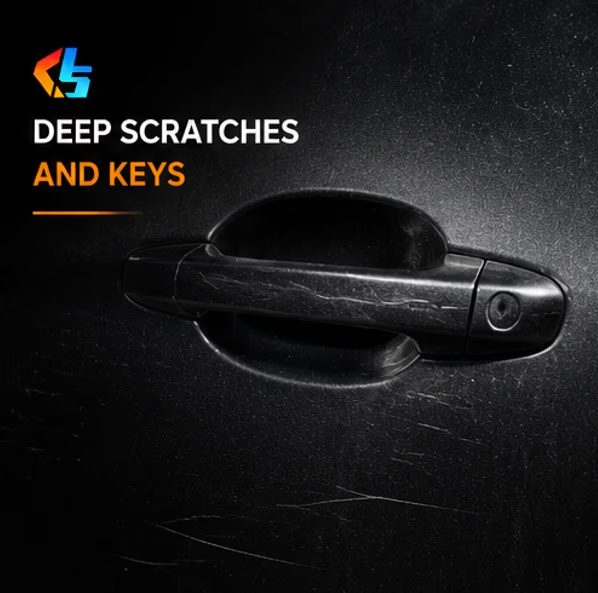
Scratch type 2: deep scratches and keys
A ceramic layer is measured in microns.
A key, ring, or trolley corner cuts through coating and clear coat the same way it cuts bare paint.
Marketing that says “scratch proof ceramic” oversells physics.
Prevention for high-risk panels (doors in tight condo bays, bumper corners) is PPF, not another bottle of coating.
Repair for existing deep scratches is polish (if shallow) or respray (if through colour).
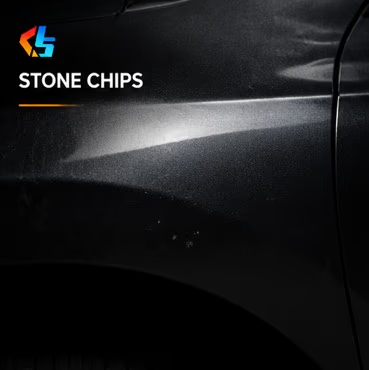
Scratch type 3: stone chips
Highway chips on bonnets and bumpers are impact events.
Coating cannot absorb stone energy.
Drivers who commute on PLUS, NKVE, or dusty industrial roads should prioritise partial front or full-body PPF packages.
Coating can still go on unfilmed panels or over film for wash ease — see coating vs PPF.
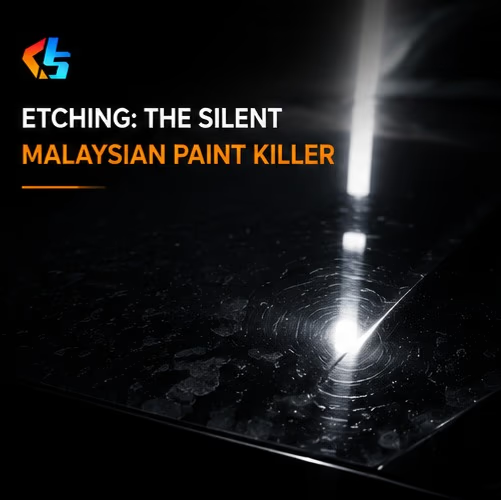
Etching: the silent Malaysian paint killer
Etching is chemical damage, not a scratch groove. Common sources:
Bird droppings in afternoon heat.
Tree sap under residential parking.
Insect guts on highway bumpers.
Industrial fallout near construction.
Ceramic coating shines here because hydrophobic behaviour and chemical resistance buy you time —.
but only if you remove contaminants the same day when possible.
A coated car left under a nesting tree for a week can still etch.
Practical habit: keep a detail spray and microfiber in the boot. Wipe, do not grind grit into paint.
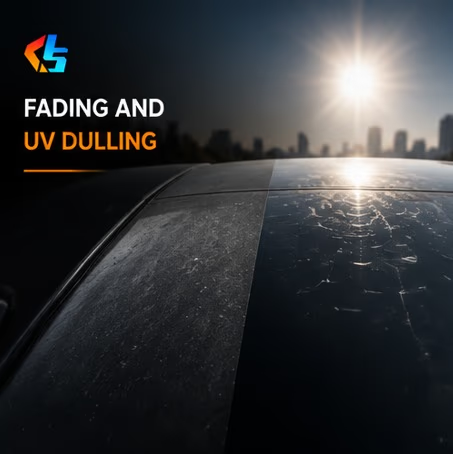
Fading and UV dulling
Malaysian UV is relentless on roofs, spoiler tops, and bonnets.
Unprotected clear coat oxidises and chalks; reds and darker colours show change earlier.
Ceramic coating adds UV-stable chemistry that slows that process when the surface is maintained.
Coating will not:
Restore already severely faded paint without correction.
Replace covered parking.
Cool the cabin (that is tint territory).
Think of coating as fade slowing, not fade immunity. Pair with sensible parking and interior UV control through glass film.
What “ceramic car coating Malaysia” packages should include
A serious package usually covers:
Foam wash and decontamination.
Clay or equivalent fallout removal.
Machine polish as needed.
Panel wipe.
Controlled-bay coating application.
Written cure and aftercare.
Beware of “coat only” quotes on heavily swirled daily drivers. Gloss without correction is temporary theatre under sunlight.
When coating alone is enough
Choose coating-focused protection if:
Your main goals are gloss, easier washing, and UV support.
You park with moderate chip exposure.
You already have PPF on the front or accept touch-up risk.
Budget prioritises chemical protection this year.
When you need PPF (with or without coating)
Choose PPF when:
The car is new and chip-free.
You drive highways frequently.
Front bumper and bonnet already show pits.
Resale appearance matters in 2–3 years.
Many owners film high-impact zones and coat everything for a balanced 2026 stack. Price ranges: tint, coating & PPF price guide. Combos: /combo.
Graphene vs ceramic for scratches and fade
Graphene-marketed coatings often claim better heat and hydrophobics.
For scratch and fade goals, application quality still dominates the label.
Compare honestly in ceramic vs graphene.
Neither replaces film for chips.
Maintenance checklist that preserves scratch and fade benefits
First wash only after cure time
Two-bucket or safe foam method
Soft microfiber drying.
Immediate contaminant removal.
No abrasive polish unless approved.
Periodic inspection of horizontal panels for etch spots.
Owners who coat then monthly brush-wash often say “coating did nothing.” The wash method erased the advantage.
Red flags in coating sales pitches
“Never scratch again”.
“Replaces PPF completely”.
Lifetime warranty with no written exclusions.
Outdoor application in dusty open lots.
Refusal to discuss paint correction.
Ask for brand documentation and before/after panels. Visit /coating for transparent package framing, or book to map coating vs film coverage on your car.
Real-world Malaysia scenarios
Condo outdoor bay, tree cover: coating + prompt sap removal matters more than full-body film if highway miles are low.
Highway daily driver, new car: front PPF first, coating second.
Older swirled paint, show gloss goal: correction + coating; PPF only if you still chip frequently.
Family MPV, kids and trolleys: door-cup and bumper-corner film plus coating on the rest.
Matching the product to the damage type beats buying the loudest promise.
Bottom line
Ceramic car coating in Malaysia helps with light swirl reduction, chemical etching resistance, UV fade slowing, and easier washing.
It does not stop stone chips or deep scratches — that is PPF territory.
Buy coating for chemistry and gloss; buy film for impact.
Stack both when the car and budget justify it.
Explore coating packages or book a consultation at KL Tint Studio.
Q: Does ceramic coating prevent scratches?
Q: Does ceramic coating stop paint fading in Malaysia?
Q: Will coating stop bird dropping etch marks?
Q: Should I choose coating or PPF for highway chips?
Q: How much does ceramic car coating cost in Malaysia?
Q: Can I combine ceramic coating with tint and PPF?
Related searches people use include ceramic pro malaysia. Use those terms when comparing quotes so shops know exactly what you need.