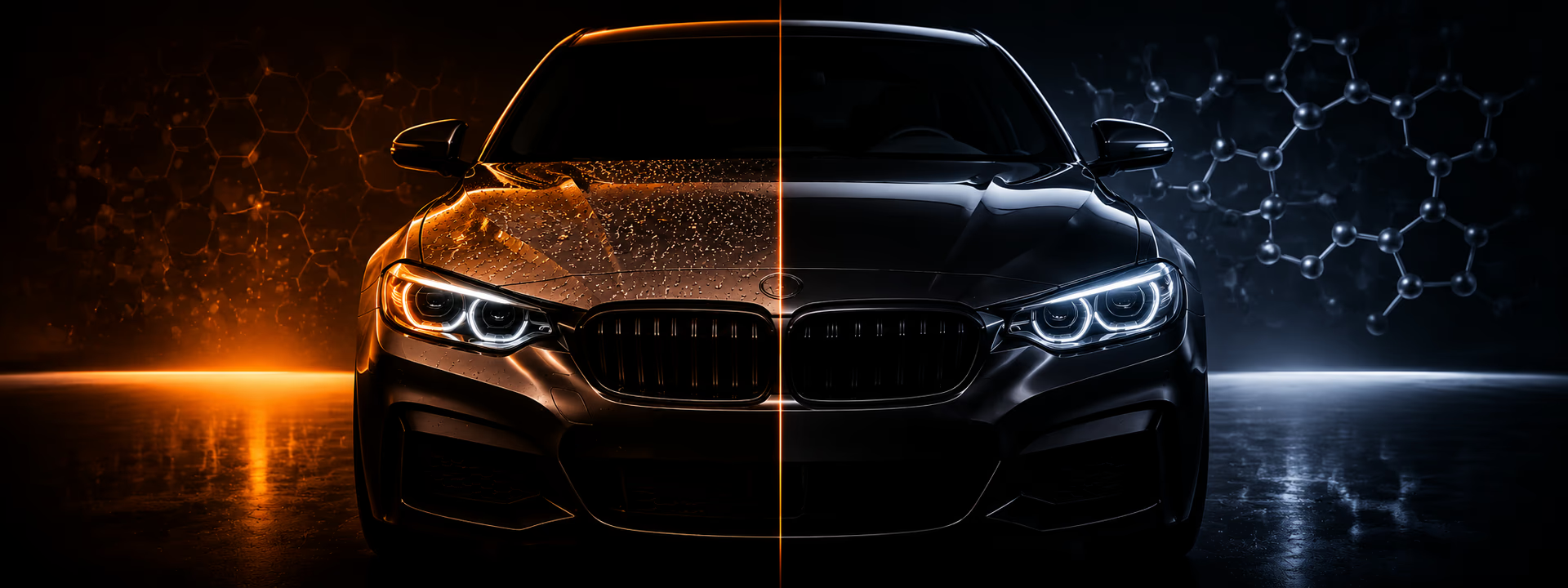
Ceramic vs Graphene Coating: Which Suits Your Car Best in Malaysia?
Compare ceramic vs graphene coating for Malaysian cars: durability, hydrophobics, heat resistance, maintenance, and which coating type fits your paint and budget in 2026.
If you are deciding between ceramic vs graphene coating for a Malaysian car, you are not alone.
Both promise gloss, water beading, and easier washing — and both appear on shop menus from Shah Alam to Cheras at very different prices.
The right choice depends on how you park, how you wash, and whether you already run paint protection film (PPF).
This guide compares ceramic and graphene coatings for tropical conditions, explains what marketing claims mean, and helps you pick with confidence in 2026.
Quick answer: ceramic vs graphene coating
Factor | Ceramic coating | Graphene coating |
|---|---|---|
Core chemistry | Silica / SiO2 based. | Graphene-enhanced or graphene-marketed resins. |
Gloss | Excellent on quality grades. | Excellent; often marketed as warmer tone. |
Hydrophobics | Strong | Often marketed as stronger / longer beading. |
Heat / UV | Good with proper layers. | Marketed for heat dissipation — verify brand data. |
Chip protection | None | None |
Best paired with | Regular wash routine; optional PPF. | Same — plus PPF for physical protection. |
Price tier | Entry to premium | Often mid–premium positioning. |
Neither wins by name alone. Application quality and paint correction before coating usually decide real-world results.
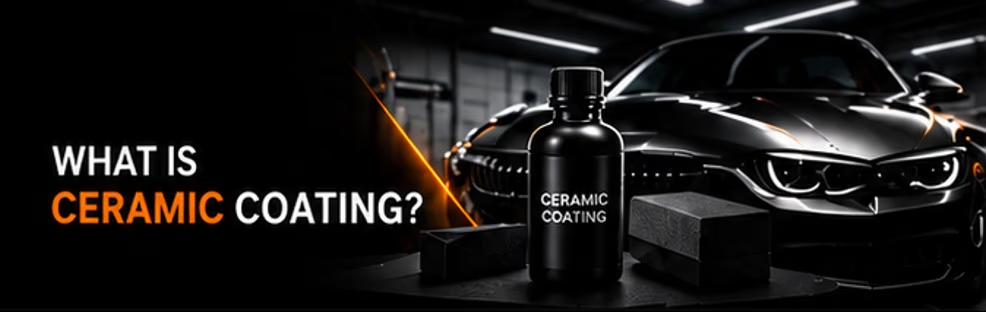
What is ceramic coating?
Ceramic coating is a liquid polymer that bonds to factory clear coat.
Once cured, it adds chemical resistance, UV stability, and hydrophobic behaviour — water beads and dirt releases more easily than on bare paint.
Typical benefits Malaysian owners notice:
Deeper gloss on black, white, and metallic paints.
Easier weekly washes after highway dust.
Better resistance to bird droppings and light chemical etching when cleaned promptly.
Longer intervals between polishing compared with wax alone.
Ceramic is not “armour.” A stone chip still damages paint. For impact protection, read coating vs PPF and our PPF FAQs.
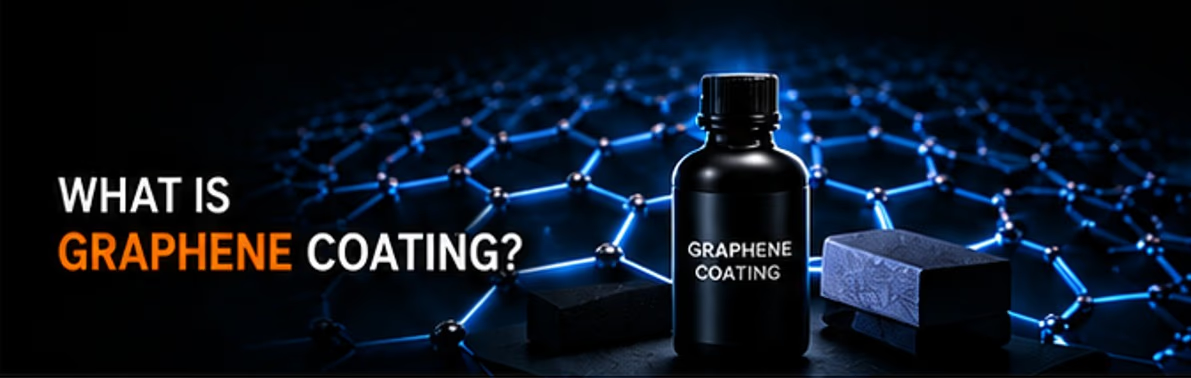
What is graphene coating?
Graphene coating products blend graphene or graphene-oxide claims into the resin system. Marketing often highlights:
Improved heat dissipation on dark panels
Longer-lasting hydrophobics
Slicker surface feel
Stronger chemical resistance
In practice, formulations vary widely.
Some “graphene” products are essentially ceramic systems with graphene additives; others are premium proprietary stacks.
Always ask for the brand, warranty length, and maintenance schedule — not just the graphene label.
Why Malaysia’s climate changes the decision
Malaysia combines intense UV, humidity, acid rain in industrial corridors, and frequent parking under trees. Coatings must handle:
UV fade on roofs and bonnets.
Water spotting after tropical storms if cars dry in open sun.
Organic contaminants (sap, bird droppings) that etch if left overnight.
Heat soak on dark paint in open-air malls and terrace parking.
Both ceramic and graphene coatings help — but only if paint is corrected first and the car is washed correctly.
A cheap single-stage coat over swirled paint will look dull within months.
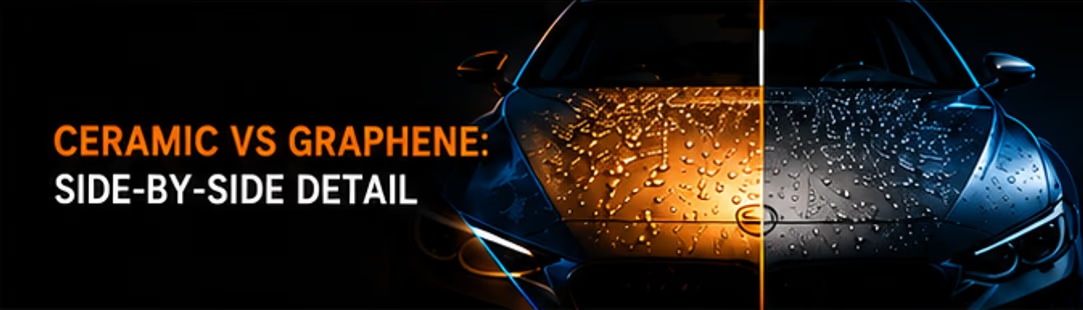
Ceramic vs graphene: side-by-side detail
Durability
Quality multi-layer ceramic coatings commonly last 2–5 years under Malaysian maintenance.
Graphene products often advertise similar or longer windows.
Warranties matter more than brochure years — ask what voids coverage (automatic brush washes, abrasive compounds, delayed contaminant removal).
Hydrophobics and washing
Both bead water when healthy.
Graphene lines often claim longer slickness between washes.
In real life, weekly or fortnightly hand washes with pH-neutral shampoo keep either coating performing.
Brush tunnels strip coatings faster regardless of chemistry.
Appearance
Ceramic is famous for “glass” clarity.
Graphene marketing sometimes emphasises a slightly richer dark-panel look.
View sample panels outdoors — indoor LED lighting misleads on colour.
Heat claims
Graphene coatings frequently market cooler panels.
Treat this as a secondary benefit, not a replacement for window tint or parking shade.
Cabin heat still comes mainly through glass.
Who should choose ceramic coating?
Choose ceramic if:
You want a proven, widely supported product category.
Your installer specialises in documented ceramic systems.
You stack coating over PPF and want a known combo.
Budget sits in the mid range after paint correction.
Who should choose graphene coating?
Consider graphene if:
You prefer a brand with published graphene-specific warranty.
Dark paint and outdoor parking are your main pain points.
You accept premium pricing for marketed hydrophobics and heat claims.
Your installer can show previous Malaysian climate results.
If the shop cannot explain the product beyond “graphene is better,” default to a reputable ceramic package instead.
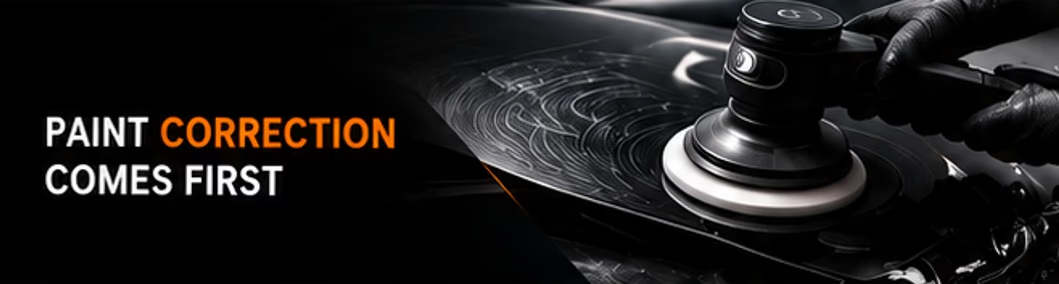
Paint correction comes first
Skipping correction is the most common coating failure. Swirls, holograms, and oxidation stay locked under a clear coat layer. Budget for:
Wash and decontamination (clay or equivalent)
Machine polish as needed
Panel wipe and controlled-bay application
Cure time before washing or rain exposure
Ask whether correction is included in the quoted price.
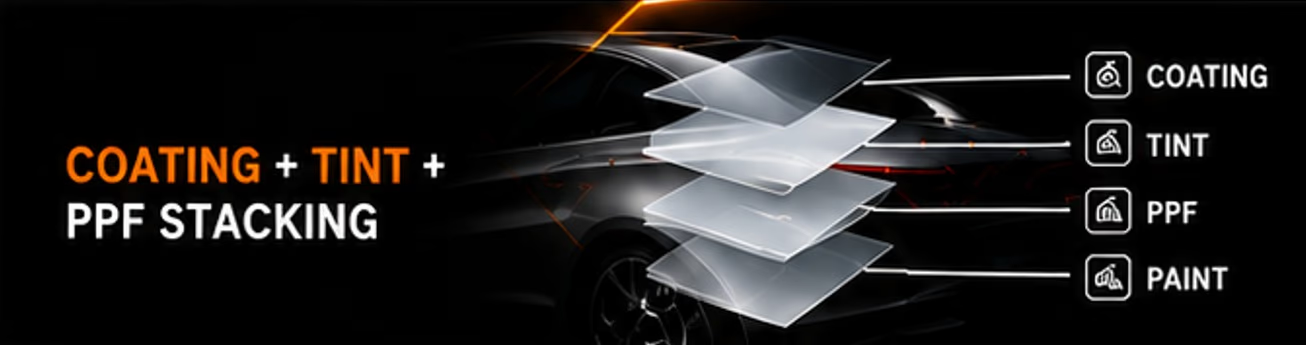
Coating + tint + PPF stacking
A popular Malaysian stack for new cars:
Tint for cabin heat and UV through glass — see how to choose car tint
Partial or full-front PPF for highway chips.
Ceramic or graphene coating on paint (and often over PPF) for gloss and wash ease.
Price ranges live in our tint, coating & PPF price guide. Browse live packages on /coating, /ppf, and /tint.
Maintenance checklist after coating
Wait for the installer’s cure window before the first wash.
Use pH-neutral shampoo and microfiber mitts.
Remove bird droppings quickly with detail spray.
Avoid abrasive compounds and polish unless the shop approves.
Refresh topper sprays only if the brand recommends them.
Red flags when buying coating
Lifetime warranties with no written terms.
No paint correction on heavily swirled cars.
Outdoor application in dusty open yards.
Prices far below market for “10-year graphene”.
Refusal to name the exact product SKU.
Final Verdict
Ceramic vs graphene coating is less about a winner and more about installer quality, paint prep, and honest product documentation.
Ceramic remains the dependable default for most Malaysian owners.
Graphene can make sense when a trusted brand and warranty back the claims.
Neither replaces PPF for stone chips.
Ready to coat? Explore coating packages or book a consultation at KL Tint Studio.