Nano Ceramic vs Sputter Tint: Heat Rejection Compared for Malaysia
Nano ceramic tint vs sputter tint for heat rejection in Malaysia: compare IRR, TSER, durability, signal safety, and cost to pick the right premium window film.
Nano ceramic tint vs sputter tint is one of the most searched comparisons among Malaysian drivers upgrading from basic dyed film.
Both sit in the premium tier, both promise strong heat rejection,.
Sputter tint vs nano ceramic: quick comparison
and both appear on menus at specialist tint shops across Kuala Lumpur and Selangor.
The difference is how they manage solar energy — and that affects comfort, electronics, appearance, and price.
This guide compares nano ceramic and sputter tint on heat rejection efficiency, real-world performance in Malaysia,.
and how to choose the right film for your car.
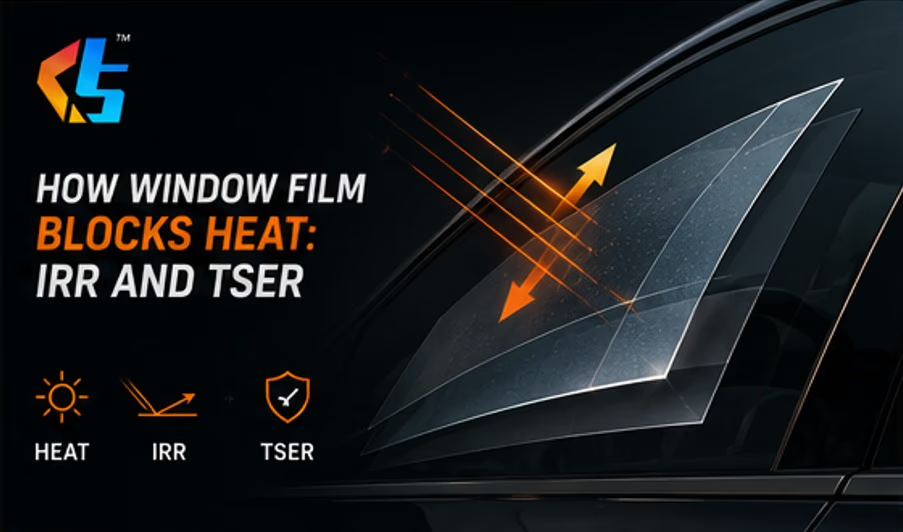
How window film blocks heat: IRR and TSER
Before comparing brands, understand two common specs:
- IRR (Infrared Rejection): percentage of infrared radiation blocked — closely tied to how hot the cabin feels.
- TSER (Total Solar Energy Rejected): broader measure including visible light and UV components.
Manufacturers may quote peak lab numbers.
Installed performance depends on VLT shade, glass angle, and meter type.
Treat marketing claims as a starting point, then verify — our IRR testing guide explains how shops measure film in Malaysia.
What is nano ceramic tint?
Nano ceramic tint embeds ceramic particles in polyester layers. It blocks heat and UV without metal, which means:
- No interference with GPS, Bluetooth, toll RFID, or 5G
- Stable colour (no mirror-like reflection on some metallics)
- Strong performance at legal front VLT levels
Nano ceramic suits drivers who want premium comfort with everyday electronics reliability.
It is also the film many owners mean when comparing against regular dyed tint
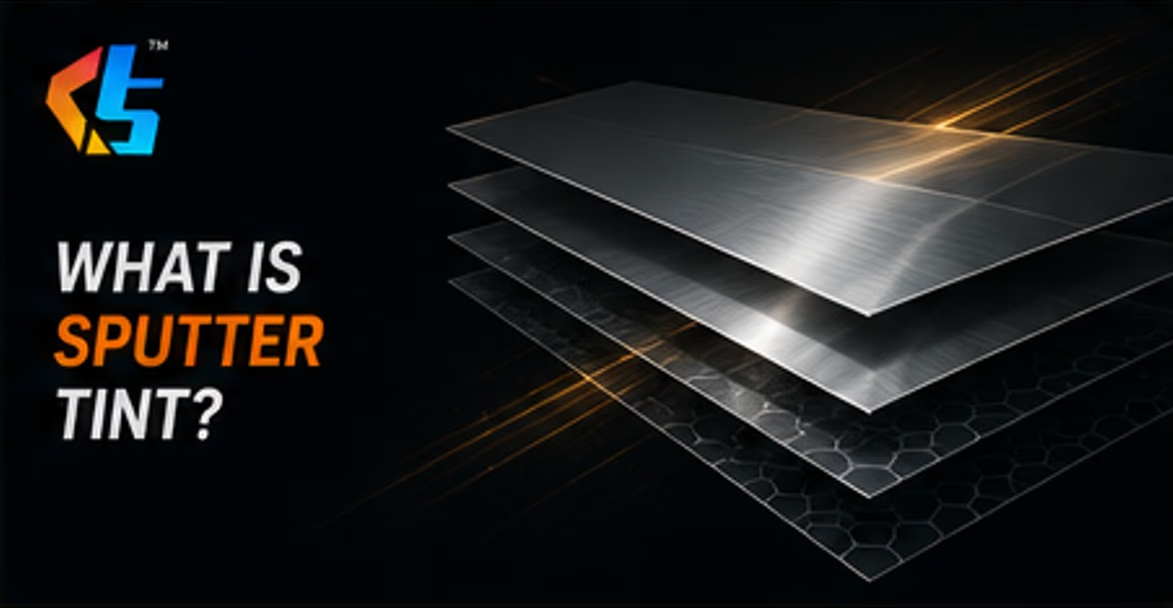
what is sputter tint?
Sputter tint is made by bonding microscopic metal layers to film in a vacuum process.
Metals reflect solar radiation, giving sputter films a reputation for high heat rejection and a subtle reflective appearance.
Advantages:
- Excellent infrared reflection on top grades
- Premium look favoured on luxury sedans and SUVs
- Long track record in tropical markets when quality adhesive is used
Considerations:
- Some metal sputter films may affect signals — test RFID and GPS after install
- Quality varies widely between economy sputter and multi-layer UHD sputter
- Price often sits at upper tier — see tint packages for sputter HD and titanium options
Side-by-side comparison
Factor | Nano ceramic | Sputter tint |
|---|---|---|
Heat rejection mechanism | Ceramic IR absorption/rejection | Metallic IR reflection |
Signal interference | Typically none | Possible on some grades |
Appearance | Neutral to subtle | Light reflective sheen |
Front VLT compliance | Excellent at 70%/50% legal shades | Excellent when correct grade chosen |
Best for | Daily drivers, tech-heavy cars | Maximum heat reflect, premium builds |
Price tier | Mid–premium | Premium–flagship |
Neither category wins on name alone — film grade and installation determine results.
Heat rejection in Malaysian parking conditions
Malaysia's heat load comes from:
- Direct sun when parked outdoors
- Radiant heat through large SUV/MPV glass
- Slow cabin cooldown when re-entering the car
Both nano ceramic and sputter reduce this load better than dyed film.
Owners who park at open-air lots near LRT stations, suburban terraces, or industrial areas feel the biggest day-to-day difference.
Practical tip: Pair premium film with legal front VLT and darker rear shades.
You gain privacy and rear heat reduction without risking JPJ issues on front glass — see car tint laws Malaysia
Durability and clarity over time
Premium films should resist:
- Purple fading (common on cheap dyed tint)
- Adhesive creep and bubbling on defroster lines
- Hazing from poor edge sealing
Sputter and ceramic both last years when installed correctly.
Ask for brand warranty and whether the shop uses computer-cut patterns vs risky knife cutting on glass.
Cost: what to budget in 2026
Malaysia market ranges for sedan full-car installation (indicative):
- Nano ceramic packages: roughly RM 450–1,500+ depending on tier
- Sputter / multi-layer sputter: roughly RM 800–2,200+ for flagship lines
KL Tint Studio lists transparent pricing — nano ceramic UHD from RM 999, sputter HD from RM 799,.
and multi-layer sputter titanium from RM 1,599.
Always confirm vehicle size before final quote.
Which should you choose?
Choose nano ceramic if:
- You use RFID, dashcams, and GPS daily
- You want strong heat rejection without metallic reflection
- You prefer balanced price-to-performance
Choose sputter tint if:
- Heat reflection is your top priority and you want a flagship film
- You accept premium pricing and will verify signal compatibility
- Your installer recommends a specific multi-layer sputter line with documented IRR
Still unsure about budget tiers? Start with the [how to choose car tint Malaysia](/blog/how-to-choose-car-tint-malaysia) hub.
Installation and testing before you pay
Demand:
1. Manufacturer spec sheet for IRR/TSER
2. VLT confirmation for front glass (70% windscreen, 50% front sides)
3. Warranty terms in writing
4. Optional demo on sample glass or chip scanner
Reputable installers welcome questions. Vague answers about “95% heat block” without context are a red flag.
Real-world scenarios: which film wins?
Scenario A — City hatchback, shaded office parking
If your car spends weekdays under cover and you drive mostly at night, a quality nano ceramic package still improves comfort on weekend errands,.
but the gap vs sputter narrows.
Prioritise legal VLT and a trusted installer over flagship film names.
Scenario B — SUV, open-air parking, family use
Large glass area multiplies heat load.
Here sputter or top-tier nano ceramic both shine.
If the car has toll RFID, built-in GPS, and multiple phones charging, lean nano ceramic unless you test sputter samples first.
Scenario C — Luxury sedan, appearance-focused owner
Sputter's subtle reflective finish suits dark colour palettes.
Pair with 70% compliant front windscreen film that still rejects IR — darkness is not required for performance.
Maintenance after premium install
- Wait for adhesive cure before lowering windows fully (installer will advise)
- Use ammonia-free cleaners on coated films
- Avoid abrasive pads on metallised surfaces
- Re-check edges after long highway trips or car washes
Nano ceramic tint vs sputter tint comes down to how heat is managed, whether you need non-metallic signal safety,.
and your budget for premium film.
Both outperform regular tint for Malaysian heat.
Compare specific product grades, verify IRR claims, and keep front glass JPJ-compliant.
Explore tint packages or book installation at KL Tint Studio.
1. Q: Which rejects more heat — nano ceramic or sputter tint?
2. Q: Does sputter tint interfere with GPS or RFID?
3. Q:Is sputter tint good for Malaysian weather?
4. Q: Is nano ceramic tint better for daily driving in KL?
5. Q: How do I verify heat rejection claims?
6. Q: Where can I compare tint packages?
Related searches people use include nano ceramic tint malaysia, heat rejection car tint, nano ceramic window tint cost, sputter tinted. Use those terms when comparing quotes so shops know exactly what you need.