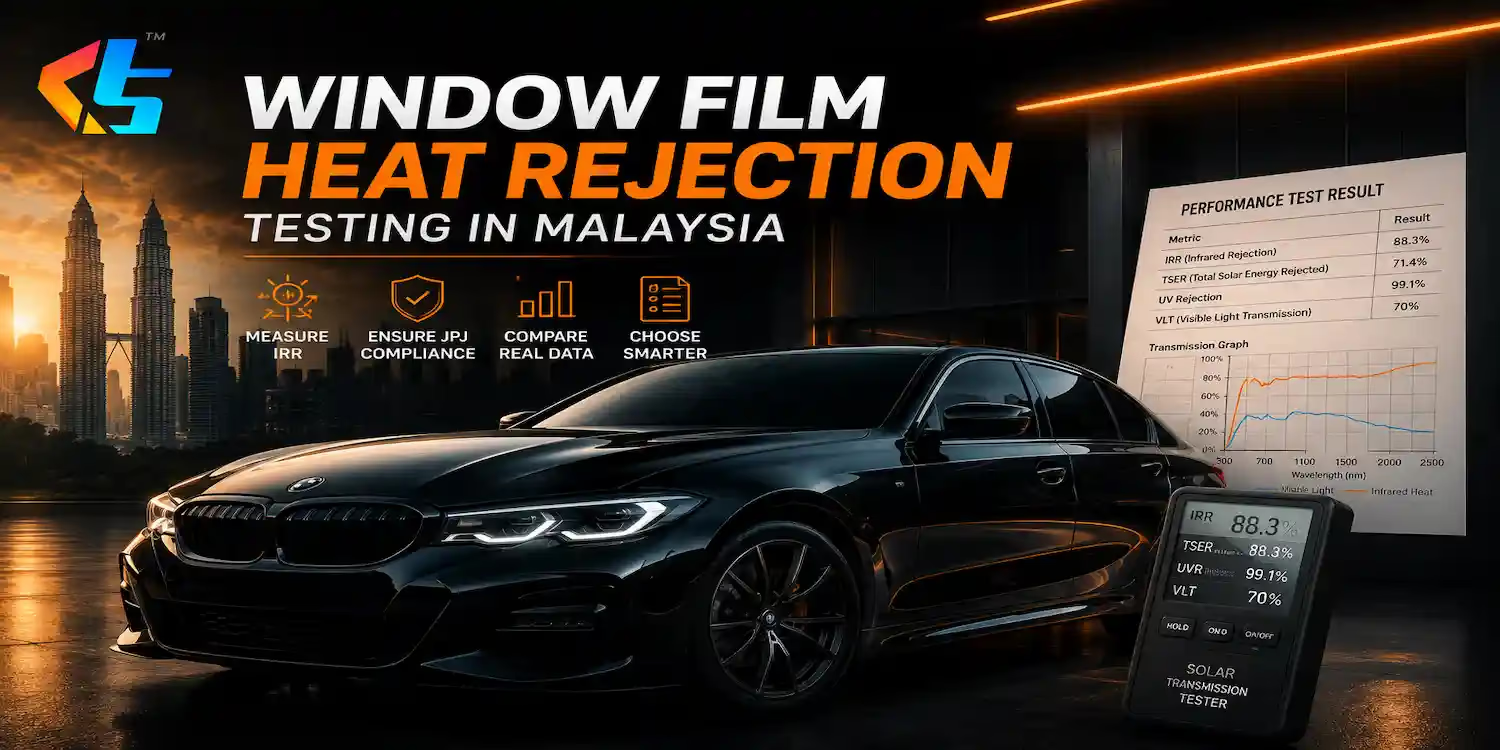
Window Film Heat Rejection Testing in Malaysia: IRR Explained
How window film heat rejection is tested in Malaysia: IRR, TSER, tint meters, and chip scanners explained so you can verify tint shop claims before buying.
When a kedai tinted advertises “95% heat rejection,” smart Malaysian buyers ask one question: tested how?
Window film heat rejection in Malaysia is a real selling point — our sun is intense —.
What irr tint testing actually measures
but not every percentage on a banner means the same thing.
This guide explains IRR testing, TSER, tint meters,.
and chip scanners so you can compare films fairly and avoid paying premium prices for basic performance.
Why heat rejection matters more than darkness
Dark tint looks cool, but darkness alone does not guarantee comfort.
Infrared radiation (IR) passes energy into your cabin even when visible tint appears moderate.
Quality nano ceramic and sputter films target IR specifically —.
which is why two cars with similar shade can feel dramatically different after parking at Mid Valley or a open-air NSK lot.
If you are comparing film categories, read nano ceramic vs sputter tint.
IRR vs TSER: know the acronyms
IRR (Infrared Rejection): Often quoted as a percentage of IR blocked. Higher IRR usually means less heat you feel on skin.
TSER (Total Solar Energy Rejected): Broader metric including visible, IR, and UV components. Useful for comparing overall solar performance.
Shops may highlight whichever number looks better. Ask for both from the manufacturer's data sheet for the exact film SKU and VLT you will install.
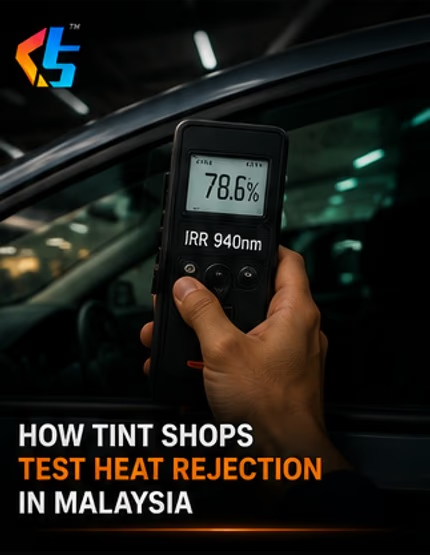
How tint shops test heat rejection in Malaysia
1. Manufacturer lab certificates
Reputable brands supply technical data per film model. Ask your installer to show the sheet for your package — not a generic brand brochure.
2. Handheld IR meters and demo lamps
Some shops place film samples under a heat lamp and measure temperature difference with sensors.
This is intuitive and useful for A/B comparisons between two films in the same shop.
3. Chip scanners and transmission testers
Chip scanning (spectral transmission testing) measures how film performs across wavelengths.
It is more technical than a simple demo lamp and helps validate whether a film truly performs at legal front VLT.
4. VLT meters (JPJ compliance)
Tint meters measure visible light transmission for JPJ rules — 70% windscreen, 50% front sides.
This is not the same as IRR testing, but both matter: you need legal VLT and effective heat rejection.
Full JPJ limits are in our car tint laws guide.
Red flags in heat rejection marketing
Be cautious when:
- A shop quotes 99% heat rejection without film brand or test method
- IRR is promised on illegal front shades as a sales hook
- Price is far below market for “nano ceramic” with no documentation
- The installer cannot explain VLT after installation
Heat rejection never overrides JPJ law. A film that fails VLT compliance is not a bargain at any IRR percentage.
What good IRR looks like for daily use
Exact numbers vary by product, but quality premium films often show strong IRR while maintaining 70% front windscreen VLT.
The goal is a cabin you can enter without instant heat shock — especially for black leather interiors and large windscreens on Toyota Fortuner,.
Honda CR-V, or Proton X50 models popular in Malaysia.
Pair IRR performance with:
- UV rejection (protect dashboards and occupants)
- Adhesive stability in humidity
- Warranty against bubbling and peeling

Questions to ask before you pay
1. What is the IRR and TSER for this exact film at my chosen VLT?
2. Can you show manufacturer specs, not just a shop poster?
3. Will you measure my front glass VLT after install for JPJ compliance?
4. Is there a heat demo comparing this film to your entry package?
5. What happens under warranty if performance or adhesion fails?
Our how to choose car tint Malaysia checklist includes these questions in a printable format for shop visits.
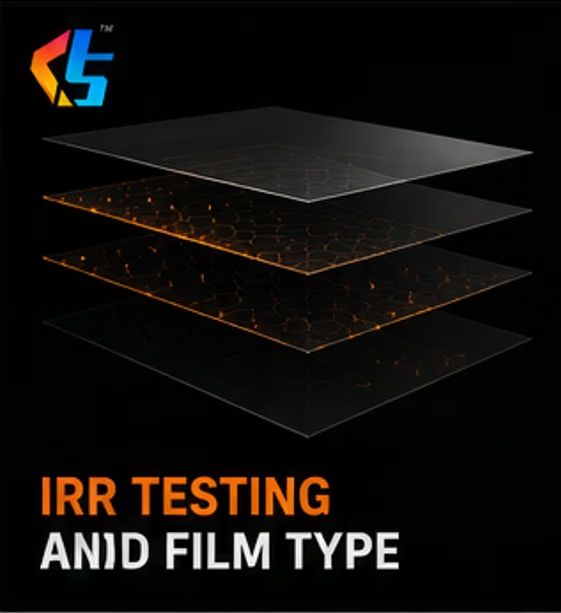
IRR testing and film type
- Dyed regular tint: Moderate IRR; often fades faster
- Nano ceramic: Strong IRR without metal; signal-safe
- Sputter: High reflection IRR on premium grades; verify electronics
Compare budget against lifespan in regular vs nano ceramic tint.
DIY myths
Some owners test tint by feeling glass with their hand.
That only measures surface temperature momentarily, not certified IRR.
Use demos and documentation — not guesswork.
How to read a manufacturer spec sheet
When a shop emails a PDF, check:
- Film model code — matches the roll they will install
- VLT options — 70%, 50%, etc. listed separately
- IRR / TSER — quoted at specific wavelength or solar spectrum
- UV rejection — often 99%+ on modern films; still verify
- Warranty — bubbling, peeling, colour stability
If the sheet only shows brand logo without model numbers, ask for the full technical bulletin.
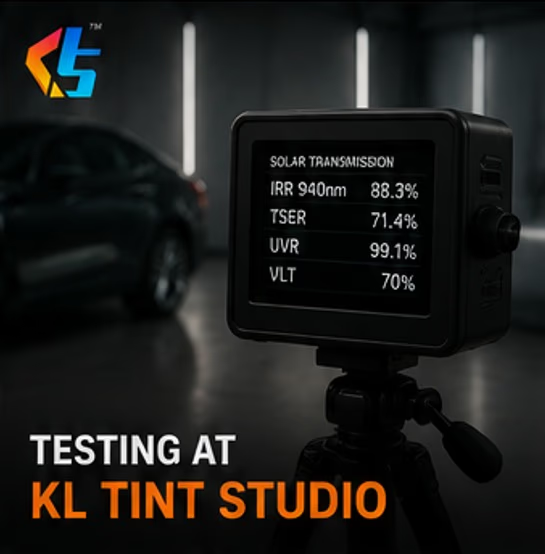
Testing at KL Tint Studio
We document film grades on [/tint](/tint) and welcome questions about heat performance before you book.
Pair your tint choice with legal VLT from our JPJ tint spec guide and car tint laws article.
Window film heat rejection testing in Malaysia separates professional installers from hype.
Understand IRR vs TSER, insist on specs for your exact film, and always pair heat performance with JPJ-compliant VLT.
The best tint is the one that keeps you cool and legal.
View documented tint packages or book a consultation at KL Tint Studio.
Q: What is IRR in window tint?
Q: Is 95% IRR always accurate?
Q: What is a tint meter vs heat rejection test?
Q: Can I test tint before installation?
Q: Does darker tint always mean better heat rejection?
Q: Where can I get tested tint installed?
Related searches people use include car tint heat rejection, irr heat rejection, tint heat rejection, tser tint meaning. Use those terms when comparing quotes so shops know exactly what you need.