Nano Ceramic vs Regular Tint: Which Is Better for Malaysian Cars?
Compare nano ceramic tint vs regular dyed film for Malaysian heat, UV, and JPJ rules. See cost, lifespan, and which tint type fits your car and budget in 2026.

If you are shopping for car window tint in Malaysia, you have seen many film options.
Shops advertise everything from "nano ceramic tint" to basic "regular" dyed film — often at very different prices.
This guide explains the real differences between nano ceramic and regular tint.
You will see when each option is worth paying for before you book installation.
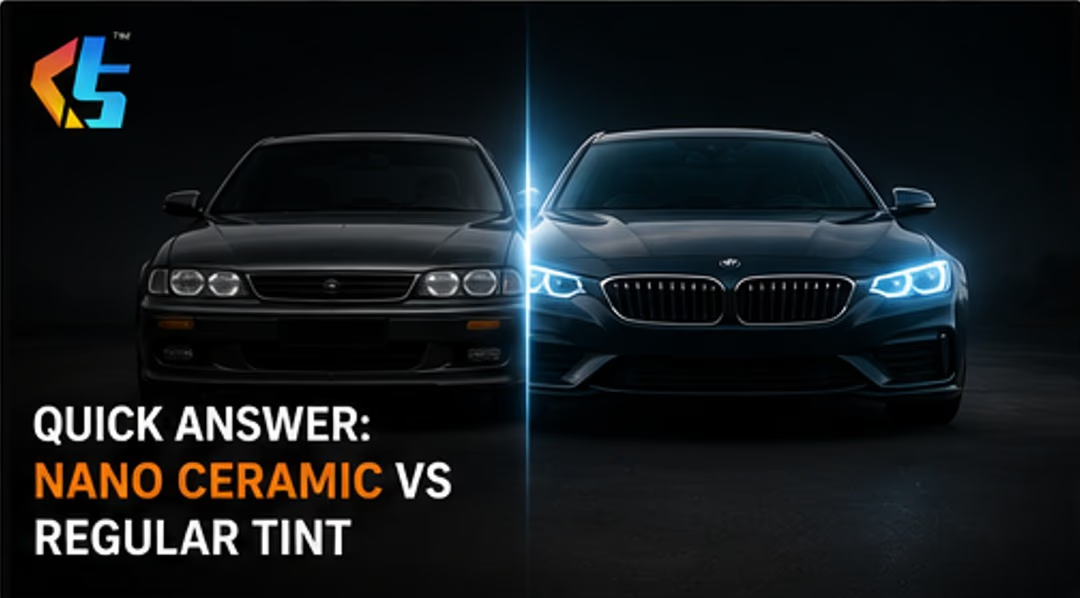
Quick answer: nano ceramic vs regular tint
Factor | Regular (dyed) tint | Nano ceramic tint |
|---|---|---|
Heat rejection | Moderate — relies on absorption | Stronger — engineered for IR rejection |
UV protection | Basic to moderate | Typically higher and more stable |
Fade resistance | Can purple or fade in 2–4 years | Generally longer-lasting in Malaysian sun |
Signal interference | Rare on basic dyed film | None — non-metallic ceramic particles |
Price (full car, sedan guide) | Lower entry point | Mid to premium tier |
Best for | Budget, light use, second cars | Daily drivers, outdoor parking, long-term ownership |
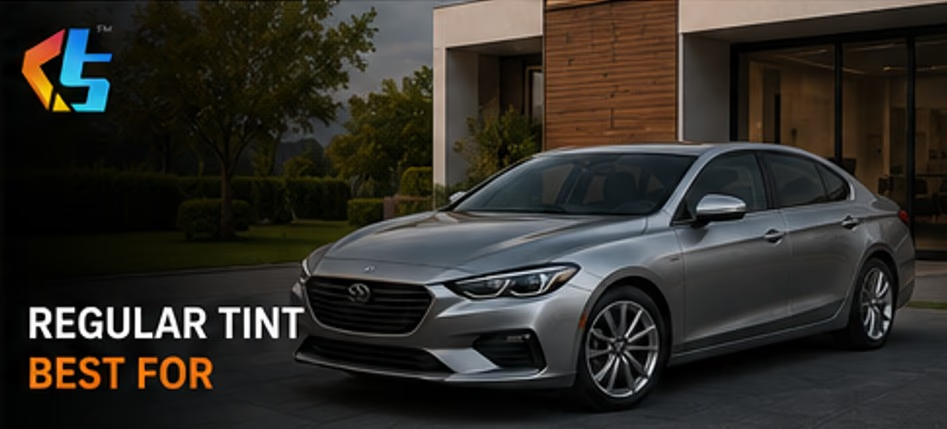
What is regular car window tint?
Regular tint — often called dyed film — uses a dye layer sandwiched in polyester to darken glass and reduce some glare.
It is the traditional entry-level option at many kedai tinted shops across Klang Valley and Malaysia.
Advantages of regular tint:
- Lower upfront cost
- Adequate privacy on rear glass when paired with legal front VLT
- Widely available
Limitations in Malaysian conditions:
- Heat can build in the cabin because dyed film absorbs energy rather than rejecting infrared efficiently
- UV and colour stability may decline faster under constant sun
- Bargain films may bubble, peel, or turn purple — especially on rear screens with defroster lines
Regular tint is not “bad” by default.
A reputable installer using a known brand on rear glass only, with JPJ-compliant front shades, can still be a sensible choice for some owners.
What is nano ceramic tint?
Nano ceramic tint uses ceramic nano-particles embedded in the film to block heat and UV while allowing visible light through.
Unlike older metallic films, ceramic tint does not interfere with GPS, toll RFID, or mobile signals — an important practical point for Malaysian drivers.
Why nano ceramic is popular in Malaysia:
- Stronger heat rejection without needing extremely dark shades
- Better cabin comfort when parking at malls, offices, or open lots
- More stable performance over years of UV exposure
- Works well with JPJ rules when correct VLT is selected for front glass
Ceramic is not one single product.
Quality varies by brand, layer construction, and installer preparation.
Two shops can both say “nano ceramic” but deliver different IRR results — which is why testing and warranty matter.
Read our guide on window film heat rejection testing in Malaysia before you trust marketing numbers.
Heat, UV, and comfort: the Malaysia difference
Malaysia’s equatorial climate means your tint choice is really a comfort and protection decision, not just aesthetics.
- UV exposure contributes to interior fading, cracked dashboards, and skin exposure during long commutes on PLUS highways and urban jams.
- Infrared heat is what makes you sweat when you open the door at 2 p.m. in Petaling Jaya or Shah Alam.
- Glare from low sun during evening drives affects safety.
Regular tint improves glare and privacy.
Nano ceramic typically does that and reduces the heat on your arms and face.
That matters most for black-interior cars and large SUV or MPV windscreens.
If you want to compare ceramic against another premium category, see nano ceramic vs sputter tint for a technical heat-rejection breakdown.
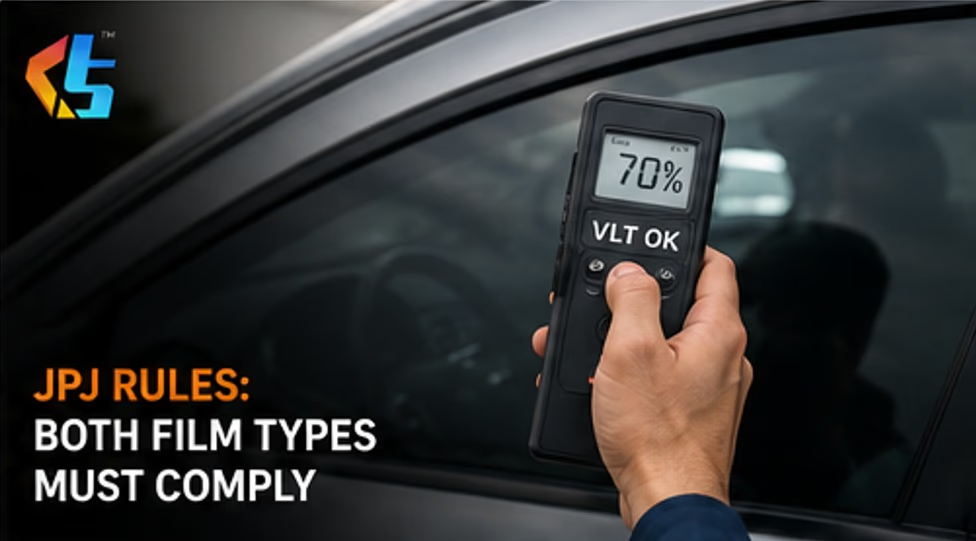
JPJ rules: both film types must comply
Whether you choose regular or nano ceramic film, JPJ VLT limits apply to private passenger vehicles:
- Front windscreen: minimum 70% VLT
- Front side windows: minimum 50% VLT
- Rear side and rear windscreen: no minimum for private cars (darker shades allowed)
Illegal front tint is a common enforcement issue — not because the film is ceramic, but because the wrong shade was installed.
Full details are in our car tint laws Malaysia guide and on the JPJ tinted spec page.
Cost comparison: upfront vs long-term
Price varies by vehicle size, film brand, and package tier. As a general 2026 Malaysia market guide for a sedan full-car installation:
- Regular / entry dyed tint: often from roughly RM 200–450 depending on brand and shop
- Nano ceramic packages: commonly RM 450–1,500+ at specialist installers, with premium multi-layer films higher
KL Tint Studio publishes transparent package pricing on our tint service page — from entry nano carbon options through nano ceramic HD and sputter packages.
Long-term math: replacing faded regular tint twice in five years can approach the cost of one quality ceramic installation.
Factor in comfort and interior preservation when comparing quotes.
How to choose between regular and nano ceramic
Ask yourself:
1.How long will you keep the car? Longer ownership favours ceramic.
2. Where do you park? Outdoor sun favours ceramic.
3. Is heat your main problem? Ceramic usually wins on IRR.
4. Is budget fixed today? Regular on rear glass + compliant front VLT can be a staged approach — discuss with your installer.
5. Do you need proven performance? Ask for IRR documentation or on-site testing.
Our how to choose car tint in Malaysia hub covers VLT levels and film types.
It also lists questions to ask any kedai tinted before you pay a deposit.
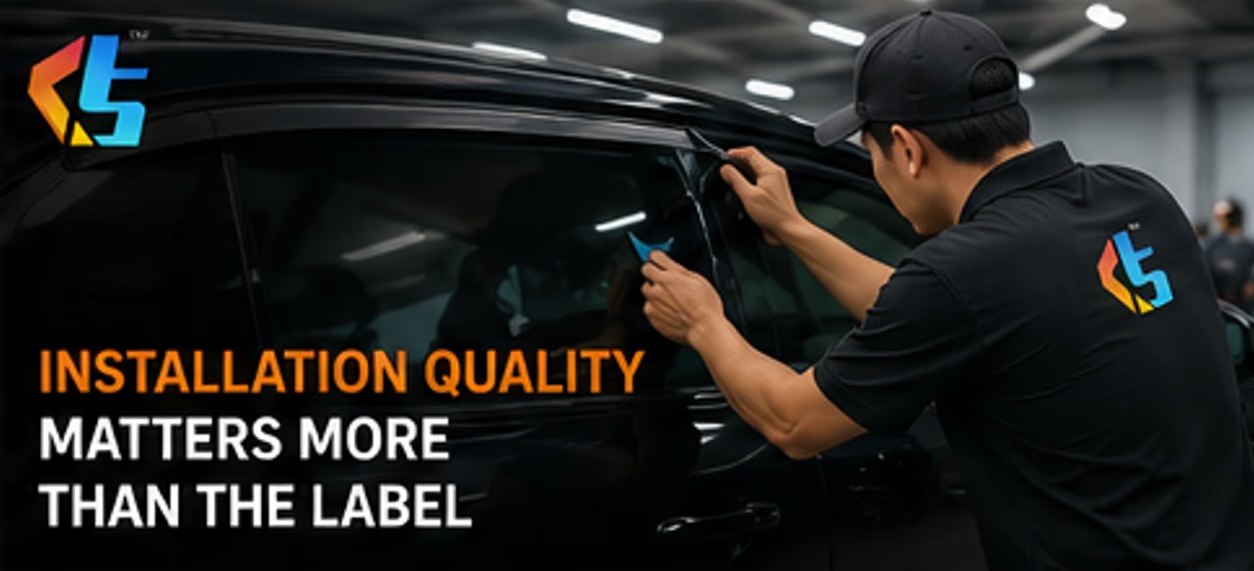
Installation quality matters more than the label
A mid-grade film installed with proper glass prep, heat shrinking, and edge sealing will outperform a premium film installed poorly. Look for:
- Dust-free bay or enclosed preparation area
- Clear warranty on bubbling and peeling
- Written VLT confirmation for front glass
- Brand traceability (not unmarked roll film)
At KL Tint Studio, we install JPJ-compliant packages with published VLT options.
Film grades are documented, so you know what you buy before installation day.
Choosing nano ceramic tint is not about which name sounds more premium.
It is about heat rejection, lifespan, and total cost over your ownership period.
Ask about nano ceramic tint price and nano ceramic tint cost up front.
A cheap tint shop near me quote can still be wrong if the film grade is unclear.
Compare regular tint vs ceramic tint and ceramic tint vs regular tint side by side before you book.
Ready to compare packages? Browse tint options or book an appointment at KL Tint Studio.
Q: Is nano ceramic tint worth the extra cost over regular tint in Malaysia?
Q: How long does regular tint last compared to nano ceramic?
Q: Does nano ceramic tint block more heat than regular tint?
Q: Can I use dark nano ceramic tint on my front windscreen?
Q: Which tint is better for JPJ compliance checks?
Q: Where can I compare tint packages in Malaysia?
Related searches people use include nano ceramic vs regular tint, regular tint vs ceramic tint, ceramic tint vs regular tint, nano ceramic tint price. Use those terms when comparing quotes so shops know exactly what you need.